Hiking With a Toddler: Simple Ways to Keep Little Legs Moving
Hiking with a toddler is… an experience. One minute you’re striding confidently down a woodland path, feeling smug about your outdoorsy life choices. The next, you’re 200 metres in and being told “my legs are tiiiiiiired” by a tiny human who was running laps around the kitchen five minutes earlier.
Trust me, we’ve all been there.
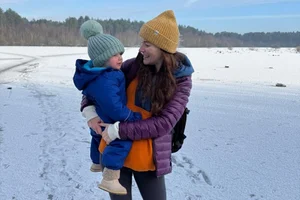
I’ve been hiking with Lily since she was a baby, and she’s now 3 years old. We spend most weekends exploring North Wales and Cheshire, fitting in microadventures around our busy lives.
And while she genuinely loves being outdoors, keeping a toddler entertained on a hike definitely takes a bit of strategy.
If you’re an outdoorsy parent wondering how on earth to get your toddler walking without constant bribery (or carrying them the entire way), these are the things that have genuinely worked for us…
First things first: choose the right walk

This is probably the biggest game changer.
Toddlers don’t care about scenic viewpoints, elevation gain, or how impressive your Strava stats look. What they do care about is whether a walk is interesting.
For us, the best toddler-friendly hikes have:
Woodland paths
Water - Streams, waterfalls or the sea
Gates to open or stiles to climb over
Bridges to cross
Rocks to climb
Animals to spot
Flat, straight, featureless paths might sound appealing when you’re worried about little legs, but they’re actually much harder for toddlers. There’s nothing to distract them, which means more whining and less walking.
These days, I’d take a short, varied walk over a long, flat one every time. One kilometre can easily take an hour with a toddler - and honestly, that’s fine. After years of climbing mountains, it took me a long time to come to this realisation.
Let them walk (even when it’s painfully slow)
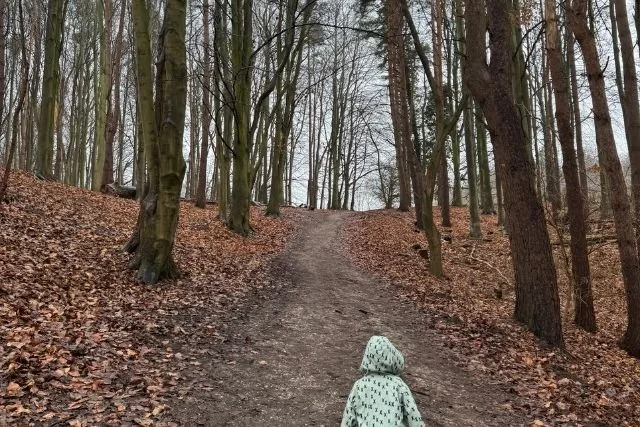
When Lily was younger, we relied heavily on a carrier, which meant we could still get out on decent-length walks at a fairly normal pace. But as soon as she hit around 18 months, she made it very clear she wanted out of the carrier and to explore the world on her own two legs.
I’ll be honest - I battled this for months.
The pace was painfully slow, and I really missed those big mountain views. But then it clicked. If I want her to be climbing those mountains with me in a few years’ time, she needs to enjoy being outdoors now.
Once I shifted my mindset, everything changed. I stopped chasing distance and started embracing a slower pace - and the walks became far more enjoyable for both of us.
Yes, it’s slow. Yes, you will stop every five steps to examine a leaf. But letting toddlers walk builds confidence and independence, and over time, their stamina really does improve.
We still take a carrier on longer days just in case, but I’ve found that if Lily knows there’s an “easy out”, she’s far more likely to ask for it early on. When walking is the expectation (with plenty of breaks), she surprises me every time.
Snacks are not optional
If there’s one thing I’ve learned when hiking with toddlers, it’s this: pack more snacks than you think you’ll need.
I usually start with the sensible stuff - fruit, oat bars, crackers - and then save the “special snacks” for later in the walk when motivation dips. A surprise biscuit or marshmallow can work absolute wonders for tired legs.
In colder months, a flask of hot chocolate is basically magic. It turns a cold, grumpy moment into a cosy little adventure break and gives everyone a boost.
Turn the walk into a game

Toddlers don’t want to walk. They want to play. So we lean into that.
Some of our go-to hiking games:
Nature treasure hunts – find a stick, a leaf, something yellow. I created this free nature scavenger hunt that I still use with my little one.
I Spy – endless, but effective
Animal spotting – cows, sheep, birds, “very suspicious rocks”
Silly walks – stomping, tiptoeing, hopping
Songs – especially ones with actions (you know the ones…)
Sometimes the game changes every five minutes - and that’s okay. The goal isn’t peace and quiet, it’s forward movement.
Give them jobs to do
Toddlers love feeling useful.
On our hikes, Lily is often:
In charge of opening gates
Carrying a tiny backpack
Helping “check the map”
Leading the way to the next stile or signpost
Giving toddlers responsibility makes them feel important, and suddenly the walk isn’t something happening to them - it’s something they’re part of.
Dress for comfort, not cuteness
Nothing ends a hike faster than cold, wet, uncomfortable kids.
We’ve learned this the hard way. We have a toddler who would happily live in shorts and a t-shirt all year round - even in the middle of winter. Getting warm layers on her is always a battle, but it’s a battle worth fighting.
For longer walks, proper footwear is a must. Wellies are great for puddle jumping, but they’re awful for distance. Walking boots that keep feet dry and supported make a huge difference to how far little legs are willing to go.
Layers are key too. Toddlers run, stop, run again - they’re either boiling hot or freezing cold, sometimes within minutes. Being able to add or remove layers quickly avoids a lot of meltdowns.
Here’s my guide to the best outdoor gear for kids - recommended my outdoorsy parents!
Expect strops - and have a Plan B

Even with all the snacks, games and good intentions in the world, toddlers are still toddlers.
There will be days when:
They refuse to walk
Everything is “boring”
You question why you didn’t just go to the playground
And that’s okay.
Sometimes the best decision is to shorten the walk, turn back early, or abandon it entirely. A “failed” hike isn’t a failure - it’s just part of the process. Every walk builds familiarity, confidence and resilience, even if it doesn’t go to plan.
Go little and often
I’ve found that regular short walks work far better than occasional big ones.
A quick woodland loop, a beach wander, a slow stroll somewhere local - it all counts. The more often toddlers walk, the more normal it becomes, and the less of a battle it feels.
We try to get out every weekend, even if it’s just a small adventure. Over time, those small walks really do add up.
A few things that genuinely help keep toddlers entertained on a hike
I’m very much a pack light kind of person, especially when hiking with a toddler, but there are a few small items that earn their place in my backpack every time. None of these are essentials - but they’ve saved more than one walk from ending early.
1. A toddler-friendly camera
Giving toddlers their own camera is a total game changer. Lily loves stopping to take photos of “interesting” things - rocks, puddles, sheep, her own feet. It slows the walk down, but it keeps her engaged and gives her a sense of purpose.
It’s also lovely looking back at hikes through their eyes when you get home.
My Recommendation - Kids Camera 2.0″ Screen Dual Lens Camera
A proper little digital camera with dual lenses and a 2″ screen. Great for toddlers to take their own photos (and then love showing you what they “captured” at every stop). Lily absolutely loves this!
2. An outdoor exploration kit
An outdoor exploration kit is brilliant for curious little minds who want to inspect everything. Lily loves feeling like a proper adventurer, stopping to look closely at leaves, bugs, rocks and anything else she decides needs investigating.
It naturally slows the pace of a walk (which is no bad thing with a toddler) and turns the hike into a mini mission rather than just “going for a walk”. It’s also great for encouraging curiosity and helping them really engage with their surroundings.
My recommendation – Adventure Kidz Outdoor Exploration Kit
This set usually includes child-sized binoculars, a magnifying glass, compass, whistle and a small backpack. It’s lightweight, easy for toddlers to use, and perfect for nature spotting on walks. Lily loves popping it on and heading off like she’s on a proper expedition - it keeps her entertained far longer than I ever expected.
3. Toddler binoculars
Toddlers love anything that helps them see the world in a new way. A small pair of binoculars can turn a regular walk into a little expedition - spotting birds, sheep, the gruffalo?
Lily gets so excited when she has her binoculars on. Suddenly a patch of grass could be a magical forest, a distant cow becomes way more interesting, and she’ll happily walk just a bit further to “see what’s out there.” It’s a simple thing, but it keeps her engaged and really encourages curiosity about nature.
My recommendation – Kids Binoculars
These compact binoculars are lightweight and easy for little hands to hold, making them perfect for exploring on hikes. They’re a great first pair for bird watching or spotting faraway scenery without being too heavy or complicated.
4. A nature scavenger hunt game
One of our favourite ways to keep Lily engaged on a walk is turning the whole thing into a little mission - and a nature scavenger hunt does that beautifully. Instead of just walking, she’s searching for things, ticking them off one by one, and it makes even plain paths feel exciting.
Toddlers love having a task, and a scavenger hunt gives them something to focus on, explore with all their senses, and come back to you proudly holding up their “finds”. It’s especially brilliant on longer flat stretches when interest might otherwise start to dip.
My recommendation – Scavenger Hunt Game for Kids and Families
A simple set of outdoor/nature treasure hunt cards that turn any walk into an adventure. Perfect for little explorers aged 3+, this game encourages curiosity, observation, and sensory play while you’re out hiking, at the forest school, on the beach or just around your local park.
Hiking with a toddler is never going to look like hiking before kids - and that’s not a bad thing.
It’s slower, messier, louder, and far more joyful in unexpected ways. The goal isn’t distance or speed. It’s fresh air, confidence, and creating positive associations with being outdoors.
Lily won’t remember how many kilometres we walked, but she will remember splashing in streams, spotting sheep, and feeling proud of her muddy boots.
And honestly? That feels like a pretty good adventure to me.